Sofa Cleaning in W3: Professional Upholstery Care for Homes and Businesses
If you are looking for sofa cleaning in W3, you are probably dealing with one of those everyday issues that builds up quietly: drinks marks, pet hair, stale smells, dust in the fibres, or a sofa that simply does not look as fresh as it used to. Sofas are one of the most used pieces of furniture in any property, and in busy West London homes and commercial spaces they take a lot of wear. Our local sofa cleaning service is designed to help residents and businesses in W3 restore comfort, appearance, and freshness with practical, fabric-safe cleaning methods tailored to the type of upholstery in your property.
Whether you live in a family home near Acton Central, a flat close to East Acton, a townhouse around South Acton, or you manage a workplace, rental property, or hospitality space in the area, professional upholstery cleaning can make a noticeable difference. It is not just about appearance. A properly cleaned sofa can feel softer, smell cleaner, and last longer, while also supporting a healthier indoor environment. If you are comparing local options and want a service that understands the needs of W3 properties, book your service now or request a free quote to find out what is suitable for your sofa.
We work with a wide range of materials and sofa styles, from everyday fabric suites and corner sofas to chaise lounges, armchairs, recliners, and office seating. Many customers contact us because they want a dependable local team that can assess the upholstery properly rather than apply a one-size-fits-all approach. That is especially important in W3, where homes and businesses can range from older converted properties with tight access to newer apartments with managed-entry requirements and limited parking. Local knowledge matters when planning a cleaning visit that is efficient, careful, and practical.
Why Sofa Cleaning Matters in W3
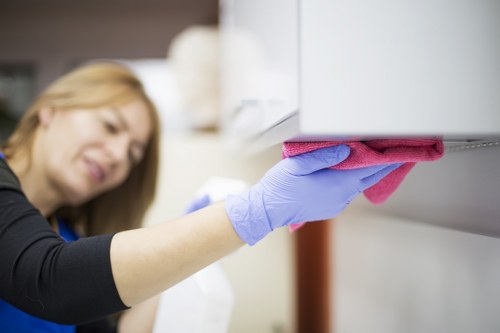
W3 covers a lively part of West London with a mix of residential streets, apartment blocks, commercial premises, and transport links that keep daily life moving at a fast pace. In places like Acton, East Acton, and areas near the borders of Ealing, Shepherd’s Bush, and Chiswick, sofas see constant use. Families gather on them, guests sit on them, pets nap on them, and work-from-home professionals spend long hours there too. Over time, upholstery absorbs body oils, crumbs, dust, allergens, and airborne particles, making regular cleaning more than just a cosmetic task.
Sofa cleaning in W3 is valuable because it helps maintain the look and feel of your furniture while also supporting a tidier, more comfortable home or workplace. A professionally cleaned sofa can brighten the room, reduce musty odours, and remove embedded debris that ordinary vacuuming may leave behind. This is especially useful in properties with children, pets, frequent visitors, or shared living arrangements where upholstery gets heavy use. For landlords and agents, it can also help present the property better between tenancies.
Customers often call us after trying to deal with marks themselves, only to discover that shop-bought products can leave residue, spread the stain, or affect the fabric finish. A professional cleaner knows how to inspect the upholstery, identify the fibre type, test safe methods where needed, and choose an approach that suits the item. That careful process helps avoid unnecessary damage and often delivers a more even result across the whole sofa rather than a patchy clean.
What Our Sofa Cleaning Service Includes

Our sofa cleaning service is built to cover the practical needs of W3 customers who want a thorough, reliable result without hassle. Every job begins with a careful assessment of the upholstery, the condition of the fabric, and the level of soiling. That helps determine which cleaning method is most appropriate for the item and whether any specific concerns, such as pet odours, food spills, ink marks, or general wear, should be prioritised.
In many cases, the service includes deep vacuuming, pre-treatment of stained or high-traffic areas, fabric-safe cleaning, and extraction or controlled moisture removal depending on the sofa type. We also pay attention to areas that collect the most dirt: seat cushions, armrests, back cushions, seams, and the lower base where dust and debris can settle. For many customers, the difference is not only visible but also noticeable in the texture and smell of the sofa once the cleaning is complete.
For those with delicate or specialist fabrics, the work is adjusted accordingly. Microfibre, cotton blends, synthetic upholstery, leather-look materials, and some natural fabrics each require different treatment. Professional upholstery care is not about using the strongest chemical; it is about using the right method. That is why local customers in W3 benefit from a team that understands different sofa constructions, stain types, and drying considerations, especially in homes where ventilation may be limited.
How Sofa Cleaning Works

The process is designed to be straightforward for you while remaining detailed enough to give a proper clean. First, the cleaner inspects the sofa and identifies the fabric type, the visible stains, and any areas that need extra attention. This step matters because different materials respond differently to moisture, heat, and cleaning solutions. A careful assessment also helps determine whether the sofa needs a light refresh, stain treatment, or a more intensive deep clean.
Next comes the preparation stage. Loose dirt is removed, cushions are checked, and the fabric is pre-treated where needed. This step is particularly useful for spots caused by coffee, tea, wine, food, grease, or pet accidents. Pre-treatment helps loosen stubborn marks so that the main cleaning can work more effectively. The technician may also focus on deodorising if there are odours from pets, spills, smoke, or general daily use.
After that, the main cleaning method is applied. Depending on the sofa and upholstery type, this may involve hot water extraction, low-moisture cleaning, or another suitable fabric-care approach. The aim is to lift dirt from deep inside the fibres while keeping the upholstery protected. Finally, the sofa is checked for remaining marks, the fabric condition is reviewed, and any drying advice is given so you know when it can be used comfortably again. Clear aftercare instructions are useful for preserving the result.
Signs Your Sofa Needs Cleaning

Many people wait until a sofa looks obviously dirty, but there are earlier signs that a professional clean would help. If you notice that cushions look dull, the fabric has lost its original colour, or there is a lingering smell even after the room has been aired, the upholstery is likely holding more dirt than it appears. Likewise, if pet hair seems to cling stubbornly, or if you can see darkening in the areas where people sit most often, it may be time to arrange a proper clean.
There are also practical triggers that make cleaning worthwhile. For example, if you are preparing to move out of a rented property, getting a property ready for new occupants, welcoming guests, or refreshing an office or reception space, a cleaner sofa can improve the impression of the whole room. In W3, where homes and commercial premises are often used hard and often, regular upholstery maintenance helps furniture stay presentable for longer.
Some customers choose a clean after a spill, while others prefer a scheduled deep clean as part of their general home upkeep. Either approach can work. The key is not to wait until the fabric becomes heavily stained or odorous, because the sooner a mark is treated, the better the chance of improving it. If you are unsure whether your sofa needs attention, a local cleaning team can usually advise based on the fabric type and visible condition.
Benefits of Choosing a Local Sofa Cleaning Team in W3
There are strong reasons to use a local service rather than trying to manage everything yourself or booking a team unfamiliar with the area. A local provider understands the practical realities of working in W3, including busy roads, limited parking, controlled zones, apartment access rules, and the layout of older terraces and converted buildings. That can make the appointment smoother from the start, which is especially important when furniture cleaning needs to fit around family life or business hours.
Another benefit is responsiveness. Local customers often want quick help after a spill, a moving-in clean, or an urgent refresh before visitors arrive. A nearby team can usually plan more efficiently around local conditions and offer practical appointment times that suit the area. They are also more likely to be familiar with the kinds of properties in W3, from compact flats and maisonettes to larger family homes and commercial interiors.
Most importantly, a local upholstery specialist brings relevant experience. Different sofas need different care, and it is reassuring to know the person handling your furniture understands the fabrics commonly found in modern and traditional homes. Careful handling, sensible cleaning methods, and attention to detail all matter when you want a result that looks good without risking the material.
What Types of Sofas and Upholstery We Clean
Our service covers a wide range of sofa types used in homes, offices, and commercial settings around W3. This includes standard two-seater and three-seater sofas, large corner sofas, modular seating, recliners, sofa beds, accent chairs, armchairs, footstools, and office seating. We also clean many commonly used upholstery fabrics, though the suitability of a method always depends on the material and condition of the item.
- Fabric sofas, including everyday woven and synthetic blends
- Corner sofas and sectional seating
- Armchairs and matching upholstery sets
- Sofa beds and multi-use furniture
- Office waiting-room seating and reception furniture
- Leasehold, rental, and managed-property upholstery
Some items require a more delicate approach, especially if the fabric is sensitive, the dye is unstable, or the sofa has been previously cleaned with unsuitable products. That is why an initial inspection is so important. It helps prevent over-wetting, colour transfer, or changes to the finish. If you have a piece with special care instructions from the manufacturer, it is useful to have those available before the appointment.
Common Stains, Odours, and Problems We Help With

Every sofa tells a story, and over time that story often includes spills and everyday marks. Some of the most common issues we see in W3 properties include tea and coffee stains, food spills, pet accidents, greasy armrest patches, deodorant transfer, make-up marks, and general grime from frequent use. Each of these requires a slightly different approach, and not every stain responds to the same treatment. That is why a proper assessment is essential before cleaning begins.
Odours are another frequent concern. Even when a sofa looks clean on the surface, hidden moisture, pet dander, smoke residue, or old spills can create a stale smell that becomes more noticeable in warm weather or when the room is closed up. Professional cleaning can help neutralise these odours by removing the material that causes them rather than masking the smell temporarily. Freshness should feel real, not artificial.
There are also more subtle issues that a deep clean can address. Some customers notice that their sofa feels rough or sticky, or that sitting on certain cushions leaves the impression of dust or grit. Others simply want to restore a brighter look before guests arrive or before listing a property for rent. Whatever the reason, upholstery cleaning can help the whole room feel more cared for and comfortable.
Preparation Checklist Before Your Appointment
Good preparation helps the visit run smoothly and makes it easier to focus on the cleaning itself. You do not need to do anything complicated, but a few simple steps can make a difference. If you are in a flat or apartment in W3, especially where access may be shared or parking is limited, planning ahead is useful for both convenience and timing.
- Remove cushions, throws, and loose items from the sofa and nearby area.
- Vacuum around the furniture if possible so the cleaner can focus on upholstery work.
- Clear side tables or objects that might block access to the sofa.
- Keep children and pets away from the immediate work area during cleaning.
- If you know the sofa’s fabric type or care label, have that information ready.
- Point out any stains, odours, or damaged areas that need special attention.
If parking or access is likely to be difficult, it helps to mention this when arranging the service so the visit can be planned appropriately. In parts of W3 where streets can be busy and property access is shared or restricted, a local team is better placed to work around those conditions. That makes the whole experience more efficient and less disruptive.
Pricing Factors for Sofa Cleaning in W3
Customers often want to know what affects the cost before they book. While exact pricing depends on the specifics of the job, several factors usually shape the quote. These include the size of the sofa, the number of seats, the fabric type, the condition of the upholstery, the level of staining, and whether any extra treatment is needed for odours or special marks. A heavily used family corner sofa will naturally take more time and care than a lightly used chair.
Accessibility can also matter. Apartments with limited lift access, parking restrictions, or difficult stairways may require additional planning. Likewise, commercial spaces with out-of-hours access needs or multiple items to clean may be priced differently from a single domestic sofa. The useful point for customers is that a proper quote should reflect the actual work involved rather than a rough guess.
If you want a fair and relevant estimate, request a free quote and provide a few simple details: the sofa size, fabric type if known, any obvious stains, and whether the property is residential or commercial. This helps the team suggest the most suitable cleaning approach and prepare for the appointment. Transparent communication before the visit makes everything easier.
Why Sofa Cleaning Is Useful for Different Property Types in W3
W3 includes a wide mix of property types, and that variety affects how upholstery gets used. In family homes, sofas often face a combination of snacks, children, pets, and everyday wear. In flats and shared homes, furniture may experience higher turnover and more frequent use by visitors. In rental properties, landlords and managing agents often want soft furnishings refreshed between occupancies. In offices and waiting areas, the concern is usually presentation, hygiene, and maintaining a welcoming environment for staff and visitors.
Older properties can present their own challenges. Some have narrower hallways, smaller rooms, or less convenient access for equipment. Newer buildings may have entry controls, limited loading time, or rules around building access. A local W3 sofa cleaning team understands that a successful visit is not just about the cleaning itself; it is also about arriving prepared for the practicalities of the property. That local familiarity helps reduce delays and keeps the process straightforward.
For business owners, clean upholstery can support a more professional look in client-facing spaces. For homeowners, it can make a room feel more inviting and comfortable. For landlords, it can help improve the presentation of a let property without unnecessary replacement costs. In each case, the result is a piece of furniture that feels looked after rather than worn out.
Areas Covered Around W3
Our sofa cleaning service is available throughout W3 and the surrounding neighbourhoods commonly connected with the area. Customers often ask about nearby parts of West London, and local coverage is useful when you need practical appointment options and a team that knows the streets and housing mix.
- Acton
- East Acton
- South Acton
- West Acton
- Nearby residential streets and apartment developments
- Commercial premises, offices, and shared-use properties in and around the area
If you are based close to the W3 boundary and are unsure whether your location is covered, the simplest approach is to ask when requesting a quote. That way you can confirm availability and talk through access details before the booking is arranged. Local service is especially helpful when timing and property access need to be coordinated carefully.
How to Choose a Sofa Cleaning Service
Choosing the right provider is about more than finding someone who says they can clean upholstery. You want a team that understands fabrics, uses sensible methods, and communicates clearly about what is involved. The best choice will usually be someone who asks questions about the sofa before arriving, discusses the fabric and condition, and explains what the cleaning can realistically achieve. That is particularly important if you have delicate upholstery, old staining, or a sofa that has been previously treated with unknown products.
It also helps to choose a service that can work around your schedule. In W3, many customers need appointments that fit around school runs, commuting, shift work, or business opening hours. A local company with flexible availability can make the process much easier. You may also prefer a team that offers a clear explanation of drying time, aftercare, and what to expect once the clean is finished.
When comparing providers, think about these points:
- Do they ask about the fabric and sofa type before booking?
- Can they explain the likely cleaning method in simple terms?
- Do they understand access and parking challenges in your area?
- Do they offer practical advice about stains, drying, and aftercare?
- Do they provide a straightforward quote based on your actual needs?
Frequently Asked Questions
How often should I have my sofa professionally cleaned?
The ideal frequency depends on how the sofa is used. Households with children, pets, or heavy daily use may benefit from more regular cleaning than a low-use guest room sofa. Many customers arrange a professional clean when the upholstery starts to look dull, feel less fresh, or before a special occasion or property changeover.
Can you clean delicate upholstery?
Yes, but the method depends on the material and its condition. Some fabrics need low-moisture treatment, while others can handle a deeper cleaning process. The fabric label, if available, can be helpful, but an on-site inspection is often the best way to decide.
Will the sofa be very wet afterwards?
Drying time depends on the fabric, cleaning method, room ventilation, and weather conditions. The aim is always to clean effectively while avoiding excess moisture. You will usually receive practical advice on how long to wait before using the sofa again.
Can you help with pet smells and pet hair?
Yes. Pet hair can be removed during the preparation stage, and odour treatment may be used where suitable. For deeper smells, removing the source within the fibres is often more effective than simply applying a fragranced product.
Do I need to move the sofa myself?
Usually, no. In many cases the sofa can be cleaned in place, though access around the item is important. If there are concerns about moving furniture, tight spaces, or fragile flooring, it is best to mention that beforehand so the visit can be planned properly.
What if my sofa has old stains?
Older stains can sometimes be improved, but results depend on what caused the mark, how long it has been there, and whether previous DIY cleaning has affected the fibres. A specialist can assess the stain and explain the likely outcome before starting.
Book Sofa Cleaning in W3 Today
If your sofa is looking tired, feeling stale, or simply needs a fresh start, professional cleaning is a practical way to improve comfort and appearance without replacing the furniture. From family homes and rental properties to offices and shared spaces, our Sofa Cleaning in W3 service is designed to meet the real needs of local customers who want careful, effective upholstery care.
With the right method, the right preparation, and attention to the details that matter in local homes and businesses, your sofa can look brighter and feel cleaner. Whether you are dealing with a stubborn stain, a lingering odour, or years of everyday wear, a local upholstery clean can make a meaningful difference to the room as a whole.
Contact us today to discuss your sofa type, ask about availability, and request a free quote. If you are ready to refresh your furniture and make your space feel more comfortable, book your service now and let a local team take care of the rest.