Gunnersbury Park Carpet Cleaning Before and After Photos: What Real Results Should Look Like
If you are searching for Gunnersbury Park carpet cleaning before and after photos, you are probably not just looking for a nice-looking gallery. You want proof. You want to know whether a carpet cleaning service can actually shift the dull traffic lanes, old drink marks, pet smells, and that slightly grey look that builds up over time. Fair enough. Photos can tell you a lot, but only if you know how to read them properly.
This guide breaks down what before and after photos should show, how carpet cleaning works in real homes and workplaces near Gunnersbury Park, what makes a result trustworthy, and what to watch out for if you are comparing cleaners. You will also find a practical checklist, a comparison table, and a few honest pointers that can save you time, money, and a bit of disappointment later on.
Key takeaway: good before and after carpet cleaning photos should show more than brightness. They should show stain removal, fibre recovery, even finish, and a result that still looks natural rather than over-edited.
Why Gunnersbury Park carpet cleaning before and after photos Matters
Before and after photos matter because carpet cleaning is one of those services where the outcome is easy to exaggerate in words and surprisingly easy to misunderstand in person. A carpet can look fine from the doorway, then suddenly show every footprint once the afternoon light hits it. Or the opposite happens: a carpet looks terrible in a badly lit shot and turns out to be in decent condition after treatment. Photos help bridge that gap.
In the Gunnersbury Park area, people often want a cleaner to tackle everyday wear rather than dramatic damage. Think hallway dirt from wet shoes, food spills in a family flat, or the flattening that happens around sofas and dining chairs. The right photos help you judge whether a cleaner understands your kind of problem, not just a staged one.
There is another reason this matters. Trust. A genuine photo set usually shows consistency: same angle, similar lighting, and a believable result. If the "after" image looks dramatically brighter but the carpet texture has gone soft or strangely glossy, something may be off. Not always, but enough to ask questions.
For readers comparing a broader cleaning provider, it can also help to look at how a cleaning company presents its work overall. A firm that is careful about presentation is often careful about process too. Not always, of course. But it is a useful clue.
Expert summary: The best before and after photos are honest, consistent, and useful. They should make you feel more informed, not more suspicious.
How Gunnersbury Park carpet cleaning before and after photos Works
Most useful photo sets follow the same basic structure. The cleaner photographs the carpet before cleaning, documents the method used, then shows the finished result after the carpet has dried or at least reached a stable damp state. That seems simple, but the difference between a useful comparison and a misleading one is in the details.
What should be visible in the before photo
- The affected area in natural, even light.
- Visible stains, shading, wear lines, or darkened traffic areas.
- Enough surrounding carpet to show the scale of the problem.
- The pile direction, because carpet fibres reflect light differently.
What should be visible in the after photo
- Cleaner fibre colour without excessive brightness tricks.
- Reduced staining or complete stain removal where possible.
- A more even pile and less visible matting.
- A natural finish that still looks like a carpet, not a showroom prop.
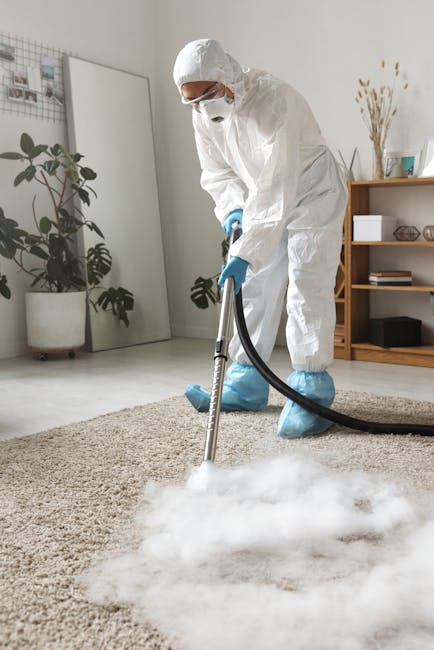
In real homes, the process is usually a mix of inspection, pre-treatment, agitation, extraction or another chosen method, and drying. If you want the most dependable result, the cleaner should first identify the fibre type. Wool, synthetic blends, and delicate fabrics all behave differently. A good operator will not treat every carpet the same way. That would be a bit silly, frankly.
If you are booking a deeper refresh alongside other jobs, you may also find it useful to browse a more general deep cleaning service so you understand where carpet cleaning fits within a wider property clean. For some homes, that is the better decision. For others, carpet cleaning on its own is enough.
A photo sequence should ideally show one room, one angle, one story. Too many angles can make it hard to judge progress. One clean "before" and one clear "after" is often better than six average images.
Key Benefits and Practical Advantages
Before and after photos are not just for show. They help you make a better choice and they set expectations properly. That may sound obvious, but in practice people often decide too quickly based on a single image or a vague promise. Photos make the service easier to evaluate.
- They show actual stain reduction. This is especially useful for coffee, wine, mud, food, and everyday spill marks.
- They reveal the condition of the pile. A carpet can look clean but still be flattened or tired; good photos show whether fibres have lifted.
- They help compare methods. Steam cleaning, hot water extraction, and low-moisture approaches can all look slightly different in the final image.
- They reduce guesswork. You can see whether a cleaner handles edges, corners, and high-traffic pathways properly.
- They build confidence for tenants and landlords. A visible improvement is useful when moving out or preparing a property for inspection.
One practical advantage people overlook is speed of decision-making. If you are sorting cleaning for a flat near Gunnersbury Park and juggling work, school runs, or a move date, you do not want to spend two evenings decoding vague sales language. A proper photo set can cut that time right down.
Photos also help if you need related services. For example, if the carpet issue sits alongside worn upholstery or a battered rug, you may want to compare results with upholstery cleaning or rug cleaning. That keeps your expectations realistic across different fabrics. A sofa and a carpet do not behave the same way, which anyone who has tried to scrub a ketchup mark at 9pm will already know.
Who This Is For and When It Makes Sense
This topic is useful for a fairly wide group of people. The needs may differ, but the question is similar: can the cleaner genuinely improve what I have got? If you are asking that, you are in the right place.
Homeowners and renters
If your carpet has everyday wear, pet traffic, or a couple of stubborn marks, before and after photos help you understand the likely finish. Renters also use them to judge whether a clean will be good enough for a tenancy handover. For some households, a cleaner finish is enough to lift the room without replacing the carpet.
Landlords and letting agents
For landlords, visual proof is handy when preparing a property for new occupants. You want a result that looks presentable in daylight, not just in a filtered image. Letting agents tend to notice edge work, stair nosings, and any patchy residue, so evidence matters.
Offices and small businesses
Commercial carpets in reception areas, meeting rooms, and corridors can collect grime quickly. If you manage a local office, you may prefer to compare results with office cleaning or office cleaners where carpet work forms part of a larger tidy-up.
People after renovation or builders' work
Dust from refurbishment can settle into fibres and leave carpets looking tired very fast. In that case, before and after photos are helpful because they show how much fine dust and dullness has really been removed. If the rest of the property needs attention too, a related after builders cleaning service may be more appropriate than a carpet-only visit.
Truth be told, the clearest sign you need carpet cleaning is often not the stain itself. It is the room. If the whole space feels dim, flat, or slightly stale when you walk in, the carpet may be doing more of that damage than you think.
Step-by-Step Guidance
If you want useful before and after photos, the cleaning process needs to be planned properly. A rushed job can still look better than the starting point, but it will not always show the full potential.
- Inspect the carpet carefully. Look for fibre type, wear, stains, previous spot cleaning, and any hidden damage.
- Take the before photo in honest light. Use the same room lighting where possible and avoid dramatic shadows.
- Pre-treat the problem areas. A good cleaner will usually apply the right treatment to stubborn marks before the main clean.
- Clean with the right method. This may be extraction, low-moisture cleaning, or another approach suited to the material.
- Rinse or extract properly. Residue left behind can attract dirt again, which is frustrating and avoidable.
- Dry the area fully. Carpet appearance changes a lot as moisture leaves the pile.
- Take the after photo at the right time. Ideally, photograph once the result is stable and not artificially enhanced by wet shine.
A small but important detail: the best after photo is not always the one taken immediately. Sometimes a carpet looks spectacular while it is still damp, then settles into a more realistic finish later. That does not mean the work was poor. It just means moisture can flatter a carpet for an hour or two. Annoying, but true.
If you are comparing different property-wide services, you may want to see how the approach differs from domestic cleaning or one-off cleaning. Those services may include carpets in a broader clean, but they are not always as specialised as a dedicated carpet treatment.
Expert Tips for Better Results
The difference between "better" and "properly impressive" is usually in the prep and the follow-through. In our experience, people often focus on the visible stain and forget the less glamorous stuff that makes the finish last.
- Vacuum first. Loose grit can interfere with cleaning and scratch fibres over time.
- Test spot treatments carefully. A strong cleaner can make a stain worse or bleach the surrounding area.
- Ask for the same lighting setup in the photos. Otherwise the comparison becomes a bit of a guessing game.
- Check the edges and thresholds. Clean centres with grimy edges are a giveaway.
- Do not judge solely on brightness. Colour accuracy matters more than overexposed "wow" photos.
- Allow proper drying time. Walking on a damp carpet too soon can flatten the pile again.
Here is a small real-world observation. The carpets that often look best after cleaning are not always the oldest or newest ones. They are the ones that were looked after reasonably well, then cleaned before grime had time to settle deep into the fibres. Maintenance really does help. Boring answer, maybe, but it's the truth.
If you are arranging cleaning for a home that also needs soft furnishing care, a paired service like sofa cleaning can make a room feel properly refreshed rather than just half-done. That sort of visual harmony matters more than people think.
Common Mistakes to Avoid
There are a few mistakes that keep showing up in carpet cleaning photo galleries. They are easy to miss if you are not looking for them, so it helps to know the signs.
- Using different angles. If the camera position changes too much, the comparison is less useful.
- Changing the lighting. Bright after photos can make the carpet look cleaner than it really is.
- Ignoring drying state. Wet and dry carpet can look like two different materials.
- Over-promising stain removal. Some stains are permanent or only partially removable. Honest cleaners say that clearly.
- Skipping pre-vacuuming. Dirt left on the surface can blur the result.
- Using the wrong method for delicate fibres. That can leave distortion, shrinkage, or texture change.
Another common issue is focusing on a single dramatic spot and ignoring the rest of the carpet. If one patch looks great but the surrounding area still looks tired, you do not actually have a full-room result. You have a highlight reel.
And let's face it, nobody wants a highlight reel on the floor.
Tools, Resources and Recommendations
You do not need a cupboard full of gadgets to understand carpet cleaning results, but a few basics make a big difference.
Useful tools and practical aids
- Good lighting. Natural daylight is ideal for honest before and after photos.
- Microfibre cloths. Useful for blotting, not rubbing, smaller fresh marks.
- A decent vacuum cleaner. A clean surface gives a clearer photo and a better final result.
- Spot-test kit or hidden test area. Helpful where fibre sensitivity is uncertain.
- Phone camera with fixed angle. Keep the same position for comparison photos.
If you want a cleaner with clear service standards, it can also help to review practical company pages like pricing and quotes, payment and security, and insurance and safety. These pages do not replace a proper conversation, but they do tell you how a company handles the basics. That matters. A lot.
For broader property upkeep, some clients prefer a combined schedule that includes house cleaning, home cleaners, or even window cleaning so the whole space feels fresher at once. Not every job needs that, but it can make sense after events, moves, or long gaps between cleans.
Law, Compliance, Standards, or Best Practice
Carpet cleaning is not a heavily regulated industry in the way some trades are, but good practice still matters. In the UK, you should expect a professional cleaner to work safely, handle chemicals responsibly, and treat customer property with care. That means sensible risk awareness, clear communication, and proper insurance where appropriate.
For domestic and commercial premises, best practice normally includes:
- clear pre-inspection of the carpet and surrounding furniture;
- safe product selection for the fibre type;
- care around cables, skirting, electrical items, and fragile flooring transitions;
- proper ventilation and drying guidance;
- honest discussion of stains that may not fully lift.
If you are comparing providers, take a quick look at pages such as health and safety policy and terms and conditions. You do not need to become a contract lawyer over a carpet, obviously, but you do want to know how the company approaches liability, access, and service expectations.
Where photos are used for marketing, good practice is to avoid misleading edits. That includes changing light levels so much that the carpet appears whiter than it really is, or cropping away the problem areas that make the "before" honest. It is a small thing, but trust lives in small things.
Options, Methods, or Comparison Table
When people look at before and after images, they often assume the final look is all about the cleaner's skill. Skill matters, yes. But method matters too. A wool hallway carpet, a synthetic office runner, and a lightly soiled bedroom carpet may need different approaches.
| Method | Best for | What the after photo usually shows | Things to watch |
|---|---|---|---|
| Hot water extraction | General deep cleaning, traffic lanes, many common household stains | Noticeably brighter pile, reduced grime, good overall restoration | Longer drying time if the carpet is heavily saturated |
| Low-moisture cleaning | Quicker turnaround, some commercial settings, lighter maintenance cleans | Cleaned surface with less downtime | May not lift very deep contamination as strongly as extraction |
| Targeted spot treatment | Specific stains such as drink spills or small localised marks | Improved single areas rather than the whole room | Risk of halo marks if done badly or too aggressively |
| Combined room refresh | Rooms needing carpet plus soft furnishing care | A more balanced overall transformation | Needs good planning so one clean does not spoil another |
In plain English: if the photo you want to show is a full-room transformation, you probably need a full-room approach. If the issue is one stain near a doorway, a targeted clean may be enough. Simple, really, but the wrong choice is where people get frustrated.
Case Study or Real-World Example
Imagine a two-bedroom flat near Gunnersbury Park with a cream carpet in the living room. The carpet is not ruined, but it has a clear path from the entrance to the sofa, one tea mark near the side table, and a general dullness that has built up over winter. Nothing dramatic. Just a lived-in space.
The cleaner first inspects the fibres and spots that the traffic lane is the main issue, not a single stain. The before photo shows the worn path clearly, with daylight from the window making the centre of the room look slightly grey. After pre-treatment and cleaning, the after photo shows a more even colour, better pile definition, and much less contrast between the traffic lane and the rest of the room.
What changed most? Not just the stain. The room felt lighter. The carpet looked less flat underfoot, and the whole space looked more cared for. That is what a good result should do. It should not look fake or over-processed; it should look like the carpet finally got a proper reset.
That kind of outcome is often enough for tenants preparing for a handover, or for homeowners who simply want the room to feel decent again on a Monday morning when everything looks a bit tired. You know the feeling.
Practical Checklist
Use this checklist before you book or review carpet cleaning photos.
- Have the before and after photos been taken from the same angle?
- Is the lighting similar in both images?
- Can you see the full area, not just the best-looking patch?
- Does the after photo look natural rather than overexposed?
- Are edges, corners, and traffic lanes visible?
- Has the cleaner explained any stains that may not fully disappear?
- Is the carpet fibre type suitable for the chosen method?
- Has drying time been explained clearly?
- Does the company provide useful service information on pages like about us and recycling and sustainability?
- Do the photos match the kind of result you want for your home or workplace?
If most of those answers are yes, you are probably dealing with a cleaner who understands presentation and process. That is a good sign. Not a guarantee, but a good sign.
Get a free quote today and see how much you can save.
Conclusion
Gunnersbury Park carpet cleaning before and after photos are useful because they show the truth behind the sales talk. They help you judge stain removal, pile recovery, finish quality, and whether a cleaner is being straight with you. That matters if you are a homeowner, tenant, landlord, or business owner trying to make a sensible decision without wasting time.
The best photos are clear, consistent, and honest. The best results are the ones that look natural, feel fresh underfoot, and make the room easier to live or work in. A carpet does not need to look brand new to be a very good result. Sometimes it just needs to stop shouting for attention.
And when that happens, the whole room settles down a bit. Which, to be fair, is often exactly what people wanted all along.
Frequently Asked Questions
What should good carpet cleaning before and after photos show?
They should show the same area from the same angle with similar lighting, plus a visible improvement in stains, colour, and pile appearance. Good photos should look honest, not staged.
How can I tell if before and after carpet photos are genuine?
Look for consistent camera position, similar brightness, visible surrounding context, and no suspicious cropping. If the after shot is far brighter or tighter, it may be less reliable.
Do all carpet stains disappear after cleaning?
No. Some stains fade dramatically, some improve partially, and some remain because they have permanently affected the fibre. A trustworthy cleaner will say that up front.
How long should I wait before judging the after result?
Ideally, wait until the carpet is properly dry or at least evenly damp. Wet carpet can look cleaner than it really is, so the final appearance may settle later.
Are before and after photos useful for rental properties?
Yes, very useful. They help landlords, tenants, and agents see whether the carpet now looks presentable for inspection, handover, or re-letting.
What is the best carpet cleaning method for dramatic before and after photos?
That depends on the carpet. Hot water extraction often gives strong visible improvement, but the best method is the one suited to the fibre, condition, and drying time you can accept.
Should the cleaner vacuum before taking the before photo?
Usually, yes. Vacuuming first removes loose dirt and gives a more accurate starting point. It also helps the cleaning work perform better.
Can photos hide damage or wear?
They can, if they are badly chosen. A good gallery should show edges, traffic lanes, and the full affected area so you can judge the real condition.
Why do carpets sometimes look patchy after cleaning?
Patchiness can happen if the pile is matted, the carpet dried unevenly, or the lighting changed between photos. It can also happen when residue or old wear marks remain.
Is it worth comparing carpet cleaning with other services?
Yes. If your room also needs rugs, sofas, or general tidying, it may make sense to compare results with services such as rug or upholstery cleaning so you can plan the whole job properly.
How often should carpets be professionally cleaned?
That depends on foot traffic, pets, children, and the room's use. Busy areas usually need attention more often than spare rooms. The point is to clean before the carpet becomes visibly tired.
What should I ask a cleaner before booking?
Ask about the method used, expected drying time, stain limitations, insurance, and whether they can show realistic before and after examples. Those answers tell you a lot quickly.